
ACNE TREATMENT
ACNE TREATMENT
Acne is one of the most common skin concerns affecting teenagers and adults alike. It often appears as pimples, blackheads, whiteheads, or painful cystic lesions and can significantly impact self-confidence and overall skin health. While mild acne may resolve on its own, persistent or severe acne requires professional dermatological care to prevent long-term complications such as scarring and pigmentation.
Acne develops when pores become blocked due to excess oil production, dead skin cells, and bacterial growth. Hormonal fluctuations, stress, lifestyle habits, cosmetic use, and genetic factors can further aggravate the condition. Because acne can vary widely in severity and cause, a personalized treatment approach is essential for effective and lasting results.
What Is Acne?
Acne is a chronic inflammatory skin condition that occurs when hair follicles become clogged with oil, dead skin cells, and bacteria. This blockage leads to inflammation, resulting in pimples, bumps, or deeper painful lesions.
Although acne is most common during adolescence due to hormonal changes, many adults continue to experience acne well into their 20s, 30s, and beyond. Adult acne often requires specialized treatment tailored to skin type, lifestyle, and hormonal factors
Causes of Acne
Acne develops due to a combination of internal and external factors. Hormonal changes stimulate excess oil production, which clogs pores and creates an ideal environment for acne-causing bacteria. Genetics also play a role, making some individuals more prone to breakouts.
Lifestyle habits such as stress, poor sleep, improper skincare routines, and certain dietary choices can further aggravate acne. Environmental pollution and the use of comedogenic cosmetic products may also contribute to frequent flare-ups.
Types of Acne
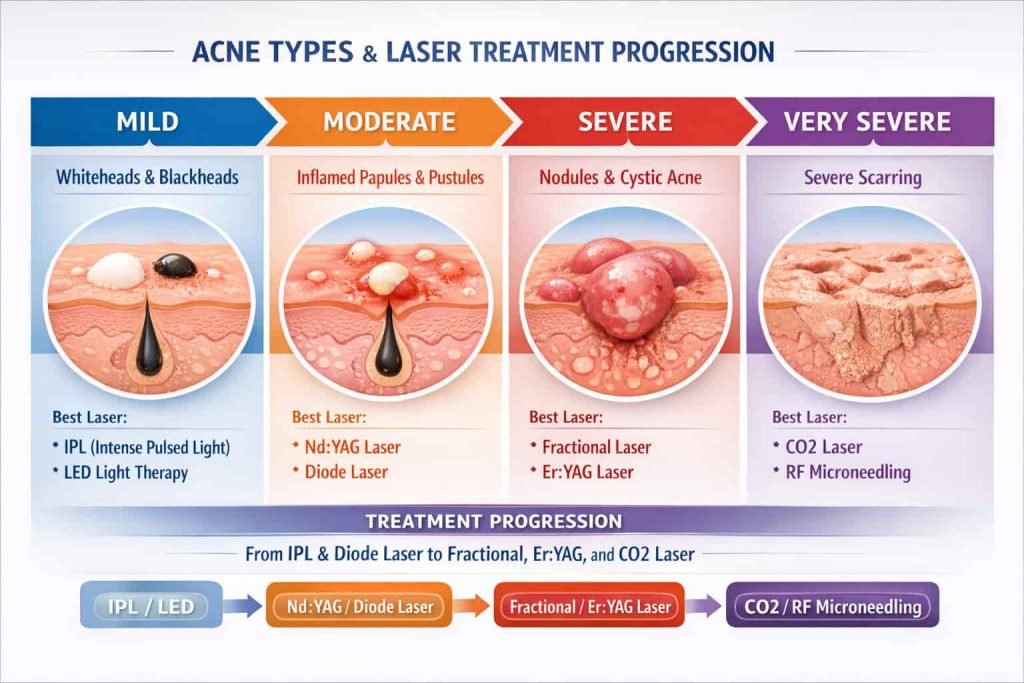
Acne appears in different forms, ranging from mild to severe. Early-stage acne may present as whiteheads and blackheads, while inflammatory acne appears as red papules and pus-filled pustules. Severe acne includes deep nodules and cysts that are often painful and more likely to cause scarring.
Understanding the type and severity of acne is essential, as each form requires a different treatment approach.
Why Professional Acne Treatment Is Important
Self-treatment, home remedies, and over-the-counter products may provide temporary relief but often fail to address the root cause of acne. Incorrect treatments can worsen inflammation, delay healing, and increase the risk of scars and dark spots. Professional acne treatment ensures accurate diagnosis, safe medication use, and a customized plan that targets both active acne and future prevention. Early dermatological intervention significantly reduces the chances of permanent skin damage.
Acne Treatment Options
Medical Management
Medical treatment remains the foundation of acne control. Depending on severity, dermatologists may prescribe topical medications to reduce oil production, unclog pores, and control bacterial growth. In moderate to severe cases, oral medications may be recommended to address inflammation and hormonal triggers. Consistency and proper supervision are key to achieving visible and long-lasting results.
Advanced Dermatology Treatments
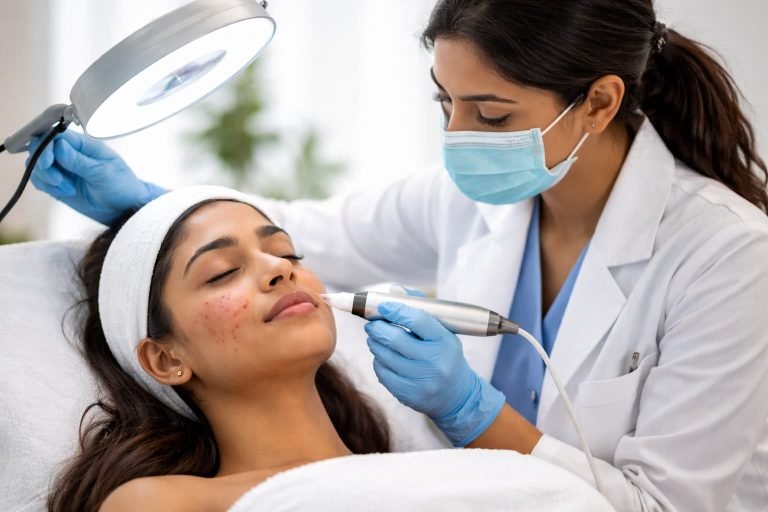
For faster improvement and resistant acne, advanced dermatological procedures offer excellent results. Chemical peels help exfoliate the skin, reduce oiliness, and improve acne lesions. Laser and light-based treatments target acne-causing bacteria, reduce inflammation, and promote clearer skin. These treatments are safe, minimally invasive, and tailored according to individual skin needs.
Acne Scar Prevention and Management
Acne scars form when inflammation damages the deeper layers of the skin. Timely acne treatment is the most effective way to prevent scarring. Once scars develop, advanced procedures such as laser treatments, chemical peels, and skin rejuvenation therapies can significantly improve skin texture and tone. Early management ensures smoother skin and prevents long-term cosmetic concerns.
When Should You See a Dermatologist?
Acne is one of the most common skin concerns affecting teenagers and adults alike. It often appears as pimples, blackheads, whiteheads, or painful cystic lesions and can significantly impact self-confidence and overall skin health. While mild acne may resolve on its own, persistent or severe acne requires professional dermatological care to prevent long-term complications such as scarring and pigmentation.
Acne develops when pores become blocked due to excess oil production, dead skin cells, and bacterial growth. Hormonal fluctuations, stress, lifestyle habits, cosmetic use, and genetic factors can further aggravate the condition. Because acne can vary widely in severity and cause, a personalized treatment approach is essential for effective and lasting results.
Dermatologist-Led Acne Treatment at Ojas Clinic, Jabalpur
At Ojas Clinic, Jabalpur, acne treatment is carefully planned and supervised by experienced dermatologists who understand that acne can affect both your skin and your confidence. We begin with a detailed skin assessment to understand the type, severity, and cause of your acne before recommending any treatment. Every treatment plan is personalized, keeping your skin type, age, and lifestyle in mind. Our approach combines safe medical treatments with advanced dermatology procedures to help control active acne, reduce frequent breakouts, and improve overall skin health. Throughout your treatment journey, our team focuses on comfort, clear guidance, and long-term results, ensuring you feel supported at every step toward clearer, healthier skin.
Meet Our Specialists
Expert Care You Can Trust
12 Years Experience
- 4.9 / 5
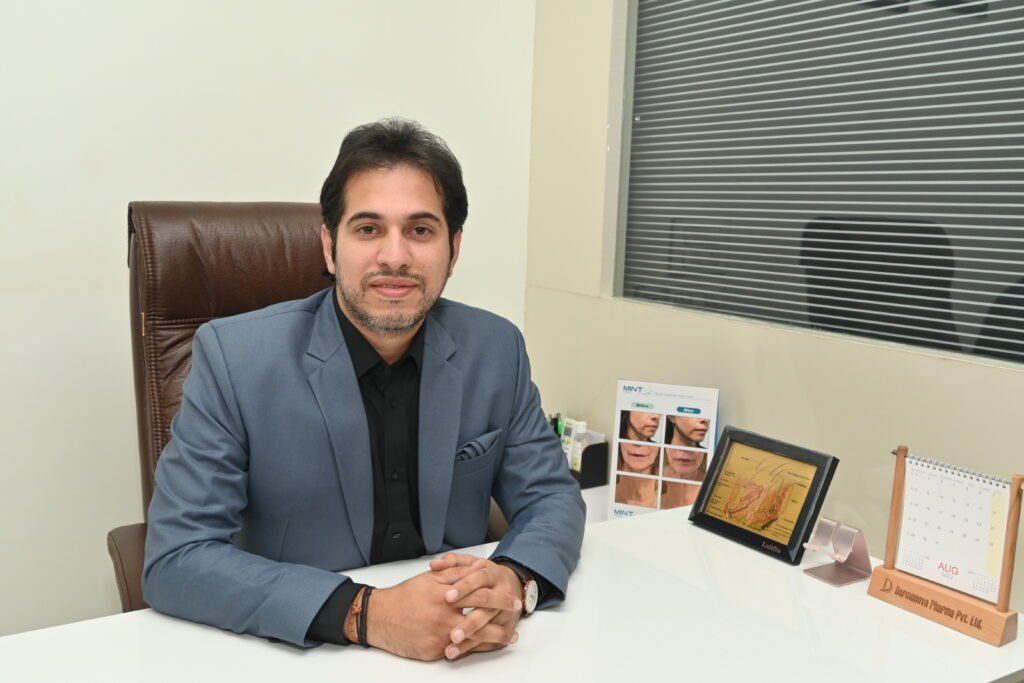
Dr. Hitesh Lokwani
MBBS MD (DVL)
A highly experienced dermatologist and cosmetologist with a focus on evidence-based aesthetic treatments and hair restoration.
Hair Transplant
Laser Treatments
Cosmetology
13 Years Experience
- 4.9 / 5
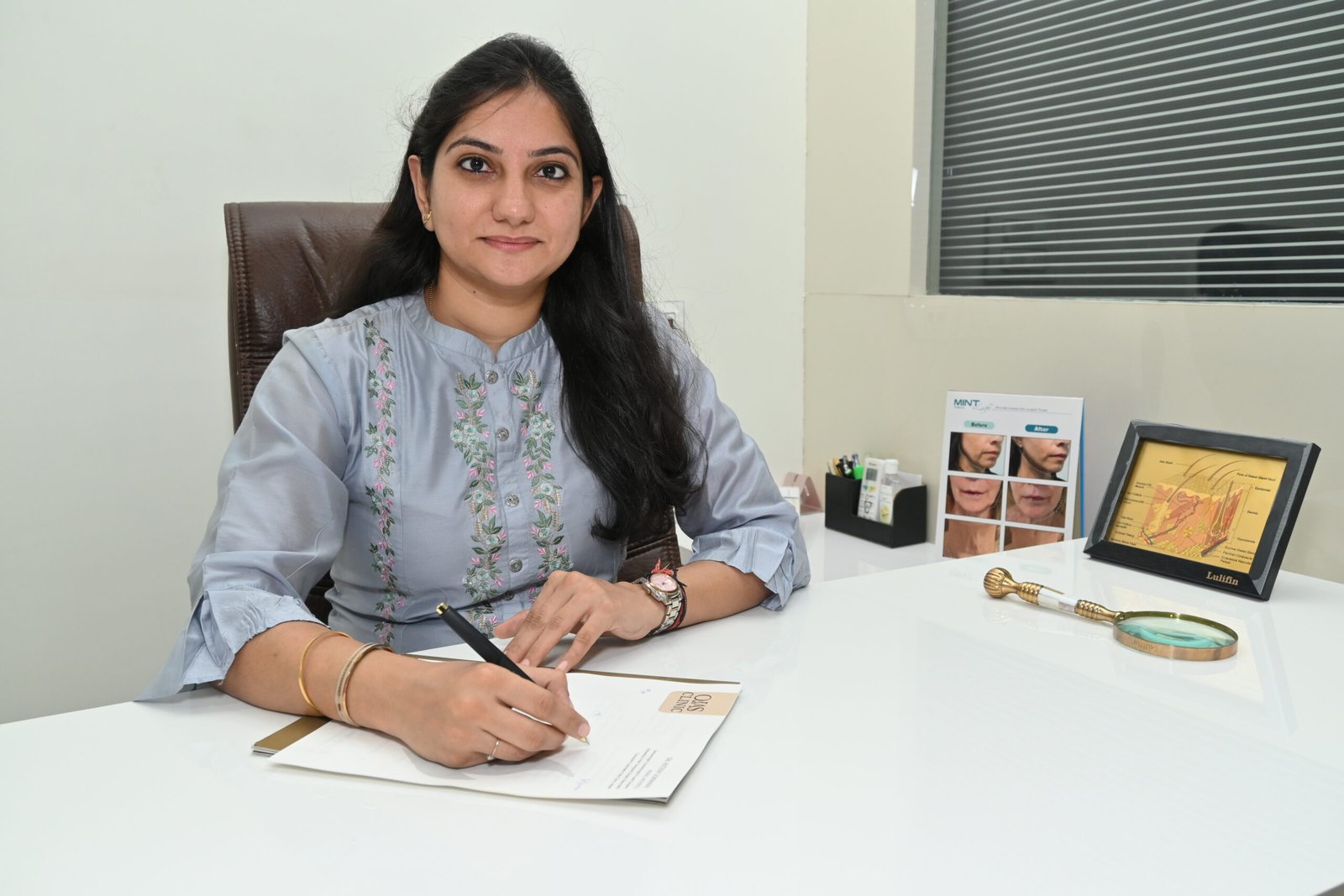
Dr. Shweta Lokwani
MBBS MD DNB (DVL)
A dedicated dermatologist known for her patient-first approach, combining clinical precision with a warm, reassuring style of care.
Clinical Skincare
Chemical Peels
Anti-Aging
Ready to begin your skin transformation?
Experience world-class aesthetic care in a calm, luxurious environment. Book your personal consultation today.
