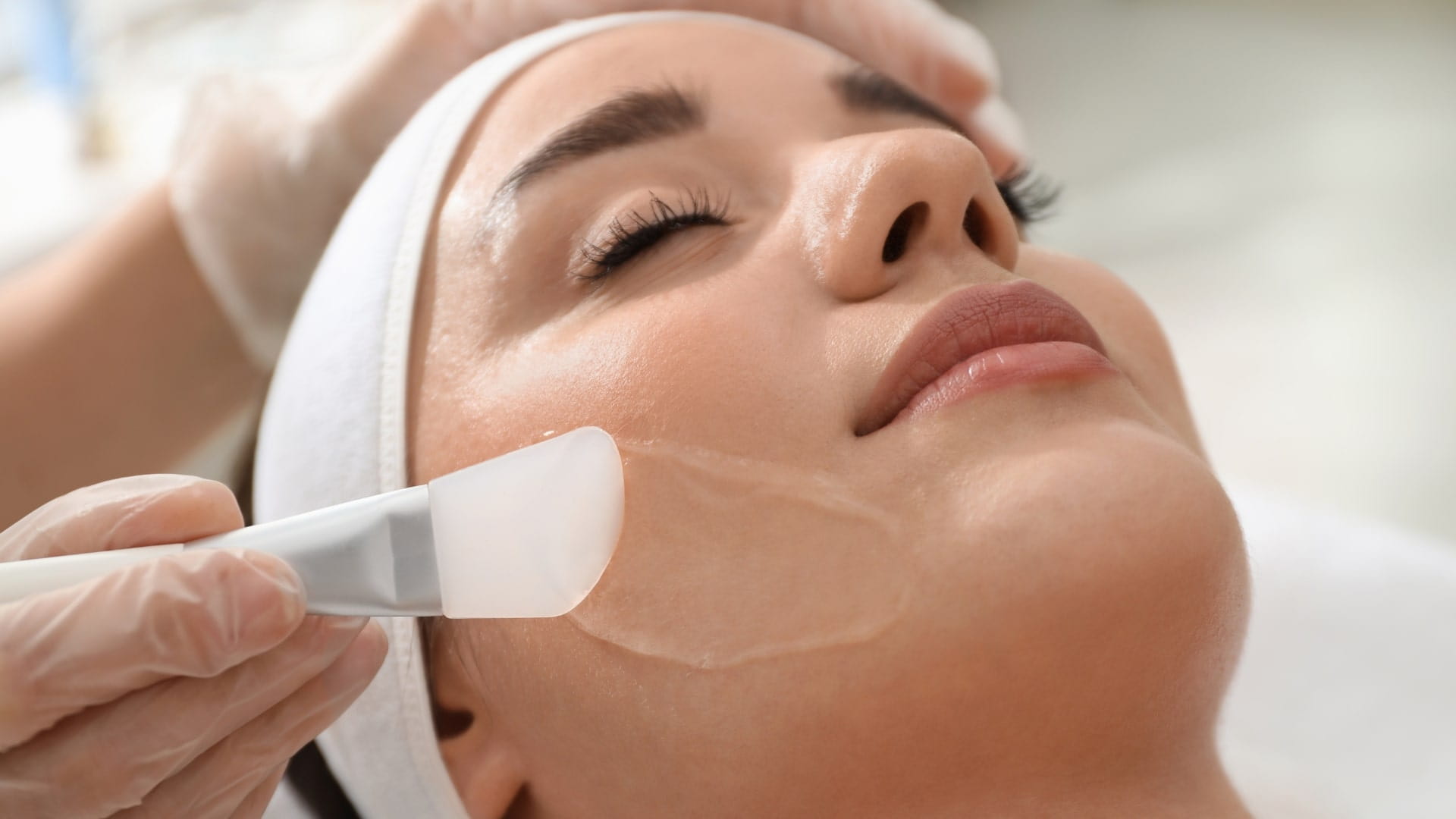
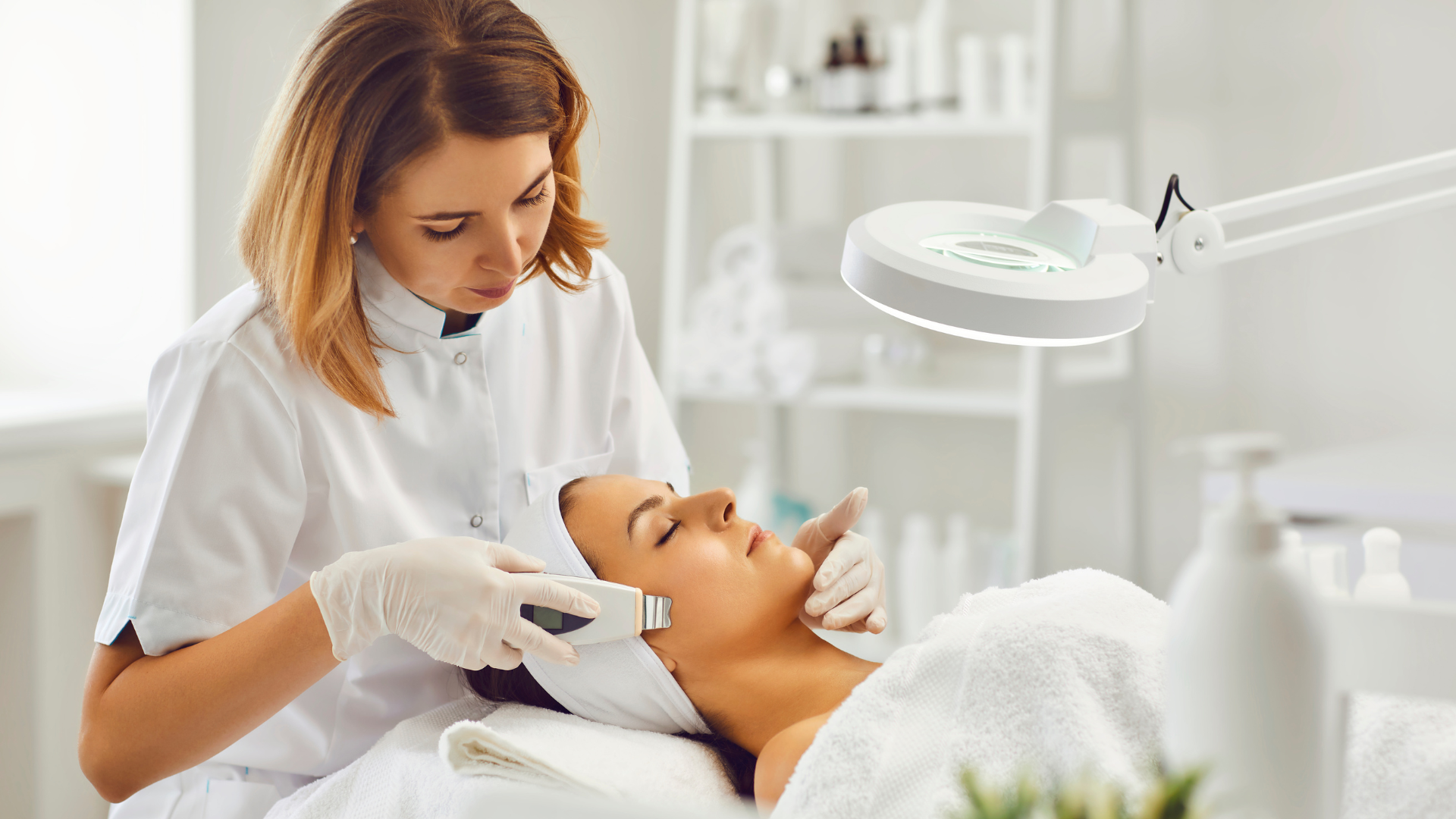
Nowadays, clinical cosmetology is an increasingly popular method for improving your skin and appearance, as it provides a comprehensive approach to skin. Clinical cosmetology addresses healthy skin rather than simply masking it with temporary cosmetics. As the name implies, clinical cosmetology fuses cosmetic components of beauty with scientific components of medicine in order to properly diagnose and treat hair and skin disorders in a safe and effective manner. Rather than applying cosmetic products or using simple cosmetic procedures to mask symptoms, the treatment focuses on identifying and correcting the underlying causes of hair and skin disorders. Consequently, more and more individuals are turning to clinical cosmetology for lifelong confidence and skin wellness.
What Clinical Cosmetology Really Means
Clinical cosmetology is a branch of cosmetology which handles the skin, hair and aesthetic issues through scientific procedures. It does not just stop at the salon treatments but it is aimed at treatments that will enhance the health of the skin on the inside.
Such treatments are mostly carried out in hospitals with medical grade products and modernized machines. They are made based on their observation of the type and condition of the skin of the individual. This personalizes and makes treatments more effective.
The primary goal is to correct such issues as acne, pigmentation, dull skin, scars, wrinkles, and hair fall. It is also useful in avoiding future skin damages and premature aging.
Clinical Cosmetology vs Ordinary Skin Care
| Aspect | Clinical Cosmetology | Ordinary Skin Care |
|---|---|---|
| Focus | Treats skin problems at the root level | Focuses on surface-level beauty enhancement |
| Depth of Treatment | Works on deeper skin layers where issues begin | Works only on the outer layer of the skin |
| Type of Results | Visible, effective, and long-term results | Temporary improvement in appearance |
| Treatment Approach | Scientific and medical-based methods | Basic beauty and cosmetic methods |
| Safety Level | High safety with professional supervision | Limited safety oversight |
| Professional Involvement | Performed under trained professionals or skin specialists | Usually done by beauticians |
| Purpose | Corrects skin problems and improves skin health | Enhances appearance without curing causes |
| Suitability | Ideal for acne, pigmentation, aging, and skin concerns | Suitable for basic grooming and relaxation |
Understanding Medical Cosmetology
Medical cosmetology is similar to clinical cosmetology except that it has more advanced procedures. These interventions need medical expertise and expert guidance.
Such procedures are covered under medical cosmetology such as chemical peels, laser treatments, skin rejuvenation and anti-aging treatments. These therapies assist in rectifying the skin problems rather than merely improving the looks. It is concentrated on skin correction, skin repair and long-term results. These people should use medical cosmetology, when they have serious or long term concerns with their skin.
Common Treatments Explained Simply
There exist numerous cosmetology treatments nowadays. Every treatment is aimed at solving a certain skin or hair issue.
Certain medicines aid in the management of oiliness and acnes. Others are directed at the minimization of pigmentation, dark spots and uneven skin tones. Skin tightening, glow and anti-aging are also treatments available.
Contemporary cosmetology surgeries are safe, fast, and successful. Majority of them do not take long to recover and therefore they fit in to the busy lifestyles.
Skin Cosmetology and Daily Skin Health
Skin cosmetology deals with skin care and maintenance only. Given that every day skin is affected by sun, pollution and stress, professional care comes to sense.
The treatments of skin cosmetology are used to enhance the texture, hydration, and the natural glow. They are also known to enhance collagen synthesis which keeps the skin tight and younger.
Through frequent skin cosmetology treatment, an individual may avoid such frequent issues as premature aging, dullness and dryness.
Role of a Skin Specialist in Clinical Cosmetology
A skin specialist has a very significant role in the clinical cosmetology. They are proficient and knowledgeable about skin and how to manage various skin diseases in a safe manner.
A skin specialist observes the skin prior to initiating any form of treatment. They inquire about lifestyle, habits, and medical history so as to avoid complications.
Their advice is such that the treatment will fit the skin and produce the best results. This is a professional support that develops trust and confidence.
Difference Between Skin Specialist and Beautician
A beautician is basically a provider of beauty and grooming services. Such services are useful in relaxation and basic care.
A skin specialist on the other hand is trained to medically treat skin issues. They are able to prescribe new therapies and take care of side effects in case of necessity.
In severe skin cases, it is always preferable to seek the services of a skin specialist.
Benefits of Clinical Cosmetology Treatments
Personalized care is one of the largest advantages of clinical cosmetology. Every treatment plan is designed on the basis of personal skin requirements.
The effects are permanent since remedies penetrate deeper into the skin. This renders clinical cosmetology as compared to simple beauty care efficacious.
The other significant advantage is safety. Therapies are administered on validated products and methods.
Who Should Choose Clinical Cosmetology
Clinical cosmetology is suitable for almost everyone. It can be used with teenagers who have acne, adults with pigmentation, and older adults with age issues.
The treatment is particularly helpful to people who have sensitive or problematic skin since the treatments are customized. People with normal skin can use it to maintain and prevent it even.
Clinical Cosmetology for Men and Women
Clinical cosmetology does not apply to women only. There is a large number of men who are seeking professional assistance in case of acnes, hair loss, tanning and aging signs.
Clinics have treatments that are specific to both men and women. Depending on the needs, skin requirements may vary, however, the aim is the same: healthy and confident skin.
Safety and Aftercare
Clinical and medical cosmetology involves safety as a major aspect. Risks are mitigated through good consultation and diagnosis. It is also important aftercare. Adhering to the prescriptions of the skin specialist can sustain the outcomes and prevent side effects. This universal treatment model renders clinical cosmetology dependable and credible.
Growing Popularity of Clinical Cosmetology
As more people seek long-term solutions instead of having “quick fixes”, the demand for clinical cosmetology has grown due to increased education on new technologies and visible results being achieved with these professional services. Due to increased levels of stress in today’s society, professional skin care is no longer considered a luxury but instead, is becoming a necessity.
Future of Medical and Clinical Cosmetology
The future of clinical and medical cosmetology looks very promising. The ongoing research and innovation associated with technological advancements provides organizations with the ability to offer quicker, safer, and more effective treatment options.
Due to the introduction of new equipment, superior products, and enhanced techniques, patients will see a reduction in discomfort and downtime while experiencing an increase in results.
Awareness of the importance of skin health has been steadily increasing. More consumers are now recognizing that skin care shouldn’t be regarded as a luxury, but should be viewed as a necessity. Therefore, the rise in consumer awareness is driving growth within the Professional Cosmetology sector.
Closing Thoughts
The history of skincare and appearance has been changed by clinical cosmetology; Beautiful Skin Health provides an avenue for treatment of skin care issues through the combination of beauty with medical science to create preferred long-term techniques to ensure safe and effective treatments for the return of healthy, beautiful skin. The treatments are applied to the skin to treat the skin’s actual issues, which result in professional supervision and care; through professional supervision and care, a Continuing Care Program can be set in motion, creating the best avenue for returning healthy, beautiful skin that people of all ages can have confidence in, be assured of healthy skin, and have a long-lasting effect on their skin.