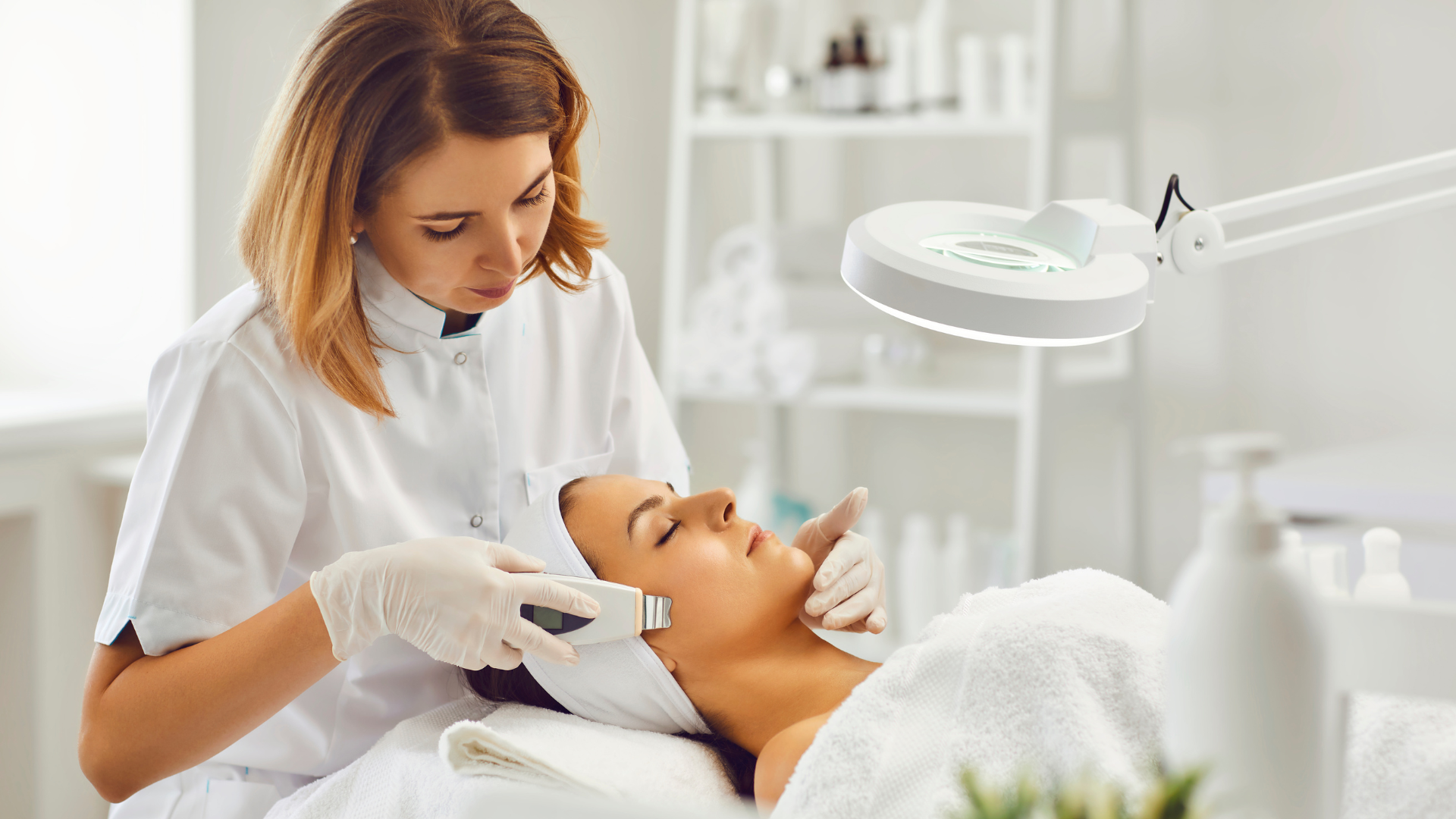
Radiant and healthy skin is what most of us long for, but problems such as acne, pimples, dark spots, and skin tone can come in the way. If you have already tried creams, face packs, and home remedies without any success, you might have already heard of chemical peel treatment. In today’s date, chemical peel treatment for hyperpigmentation, acne, and skin whitening is gaining immense popularity as it provides long-lasting and noticeable results.
Chemical peel is a skin treatment that utilizes safe chemical formulas to exfoliate dead skin cells and damaged outer layers of the skin. This results in the growth of new and fresh skin, which appears clearer, smoother, and brighter. Chemical peels are commonly used by dermatologists to treat pigmentation, acne, pimples, dull skin, and skin tone.
In this blog, we will discuss in detail chemical peel for hyperpigmentation, chemical peel for pigmentation, chemical peel for skin whitening, chemical peel for acne, and chemical peel for pimples. Everything is explained in simple terms so that you can easily understand how the treatment works and if it is suitable for you.
What Is a Chemical Peel and How Does It Work?
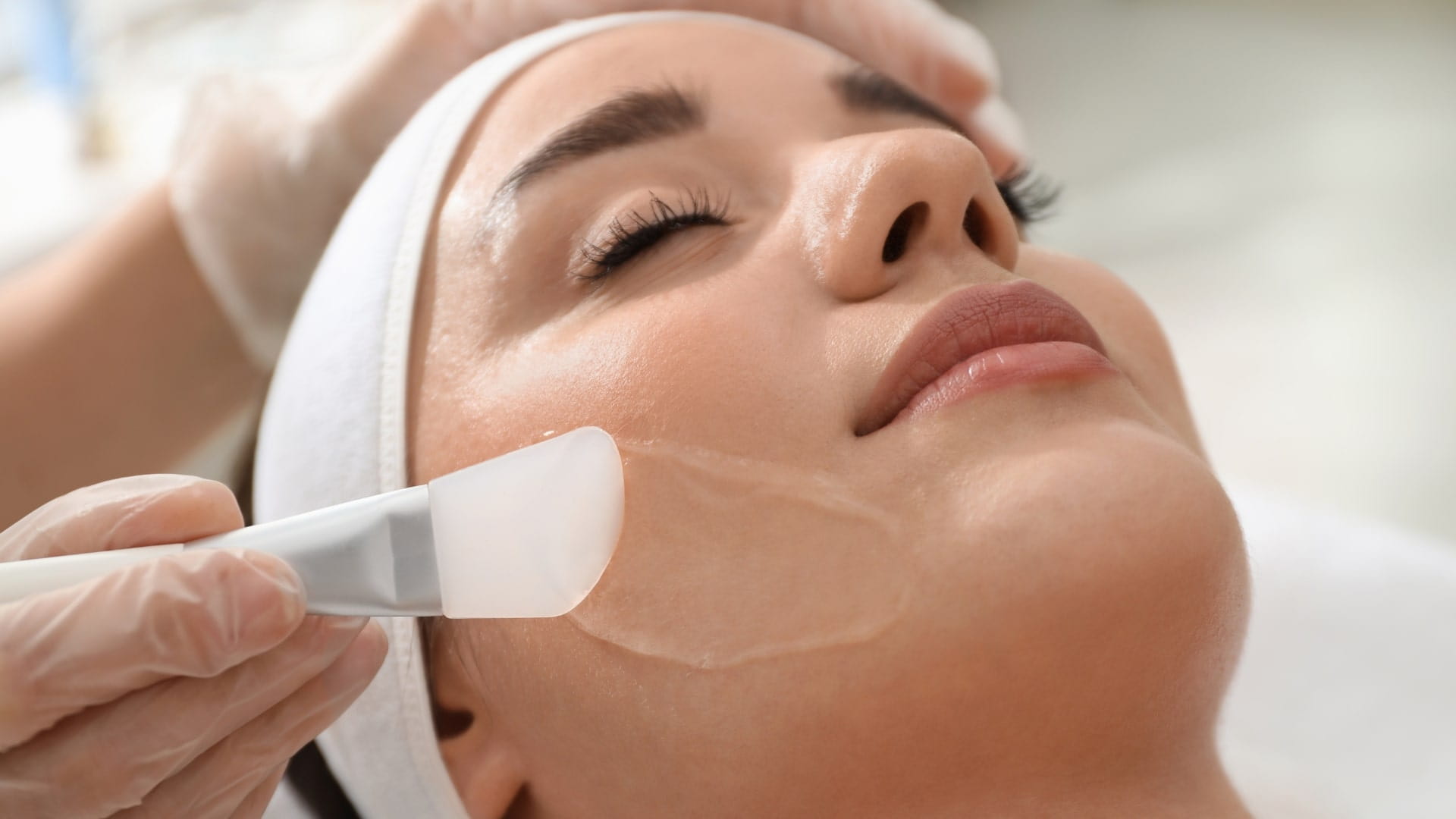
A short-term application of a chemical solution to the skin on the part of a professional skin treatment is known as a chemical peel. This solution soothes the skin and removes the dead cells, excessive oil and the damaged skin layers. When these layers are peeled off a fresh layer of skin appears.
The new skin is tend to be smoother, brighter and even toned. Chemical peels also enhance the production of collagen which enhances the skin texture with time. Dermatologists can apply mild, medium, or deep levels of chemical peels depending on your skin issue.
It is usually applied on the face but may be applied to the neck, hands and the back. It is fast and the majority of the individuals are back to regular routine soon after carrying out the procedure particularly light peels.
Chemical Peel for Hyperpigmentation
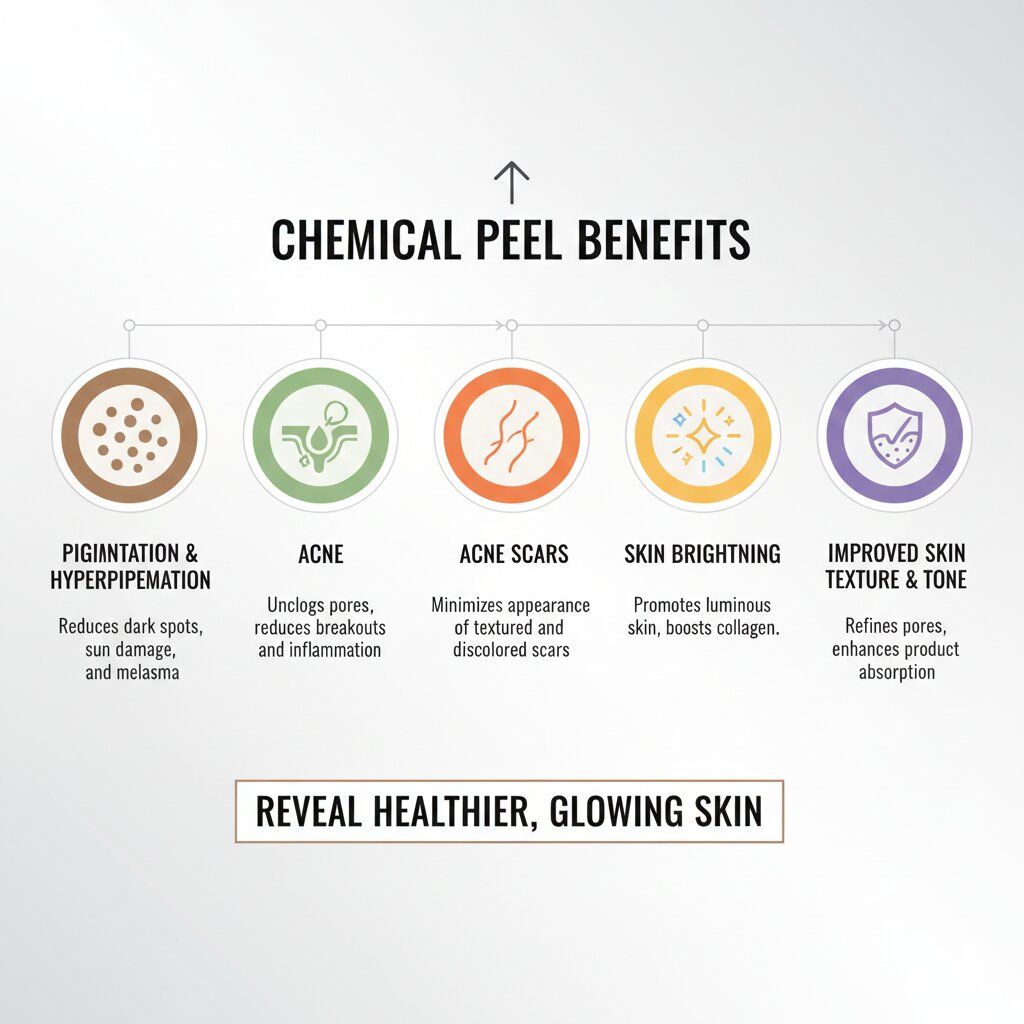
hyperpigmentation occurs when certain spots of the skin produce large amounts of melanin than normal. This results in dark spots, discolouration and spots that are difficult to fade. Hypopigmented-hyperpigmented sun exposure, hormonal alterations, acnes scars, and aging are the most typical causes of hyperpigmentation.
The chemical peel in hyperpigmentation is effective by exfoliating the dark pigments of the skin used. The peel disintegrates the surplus melanin and stimulates cell turnover on the skin. This rate of formation of new skin cells causes the dark spots to be gradually washed away and the skin colour becomes more uniform.
The chemical peels are capable of greatly decreasing sun spots and melasma as well as post-inflammatory hyperpigmentation with the regular sessions. The outcomes are progressive and naturalistic. It can be observed that many individuals have seen brighter skin within several weeks of treatment.
Chemical Peel for Pigmentation Issues
The problems of pigmentation may impact various individuals of any age and skin-type. These are dark spots, freckles, age spots, and dispensement of skin color. Creams can be of some assistance, but deep pigmentation can be treated by a professional.
Chemical peel of pigmentation goes right to the root of the illness since it sheds off the damaged layers of the skin. This enables the healthy skin to develop and lessens the presence of dark areas. With time, the skin appears to be smoother and rejuvenated.
Among the largest positive effects of the chemical peel treatment, there is also the fact that it enhances the general skin quality. The skin does not only grow lighter, but it also becomes smoother and more radiant. Chemical peels are safe and can be used effectively when administered by a trained professional on concerns of pigmentation.
Chemical Peel for Skin Whitening and Brightening
The reason why many people prefer to use chemical peel to whiten their skin is to have a lighter and glossier complexion. Whitening the skin does not imply the transformation of natural skin color. Rather, it is aimed at eliminating monotony, tanning, and disbalance.
Skin may appear dark and fatigued as a result of pollution, exposure to sun, stress, and aging. The peels are used to eliminate the layer of dead cells that make one have this dull look. The skin is more reflective and perceived as being naturally brighter after the peel.
People with tanned skin, uneven tone or patchy discoloration can also use chemical peel in skin whitening. The long-term results can be achieved with an appropriate skincare system and sun protection.
Chemical Peel for Acne-Prone Skin
Acne is a typical skin condition that is brought about by blocked pores, excess oil, bacteria, and inflammation. Chemical peel in acne is effective as the pores are cleansed thoroughly and production of oil is minimized. The peel exfoliates dead skin and cell which clogs the pores and causes breakouts.
Chemical peels are also antibacterial and anti-inflammatory. This assists in soothing acne that is active and prevents future acne. With time the skin becomes less oily, clearer and more balanced.
The other advantage of chemical peel in the treatment of acne is that it enhances the skin texture. It softens the skin and renders some of its roughness lessened. Chemical peels can be used as a long-term treatment plan against acne, and many dermatologists recommend their use.
Chemical Peel for Pimples and Acne Marks
Pimples also leave a mark and scars which are very difficult to disappear. Pimple chemical peel is a procedure that accelerates human skin renewal. This assists in the reduction of pimple spots and enhances the skin clearance.
When the uppermost skin is peeled off, new skin gets fewer marks and it gets smoother. Frequent chemistry peels can decrease the redness, dark spots, and uneven skin which was a result of pimples in the past.
The chemical peels as well prevent the occurrence of new pimples as they keep the pores clean and regulate the oil. This is why they are recommended to those individuals who have problems with frequent breakouts.
Types of Chemical Peels Used for Pigmentation and Acne
Chemical peels are categorized based on their depth of penetration:
Superficial Peels
- Mild acids like glycolic and lactic acid
- Minimal downtime
- Ideal for mild pigmentation and dullness
Medium Peels
- TCA or stronger glycolic acid
- Treats deeper pigmentation and acne scars
- Requires short recovery time
Deep Peels
- Used for severe pigmentation and scarring
- Longer downtime
- Performed only by experienced professionals
Your dermatologist will choose the type based on your skin condition and goals.
What to Expect During and After a Chemical Peel
The chemical peel treatment is normally easy and quick. The dermatologist will clean your skin and then apply the chemical solution. You may feel a slight tingling or warmth for a few minutes. After that, the solution will be neutralized or washed off.
After the treatment, your skin may appear slightly red or tight. You may also experience mild peeling for a few days. This is normal and should not be a cause for concern. As the old skin peels off, new skin will appear.
It is essential to follow the after-care instructions provided. This will include the use of sunscreen, moisturizer, and staying out of direct sunlight. This will help protect your new skin and ensure the best results.
Is Chemical Peel Safe for All Skin Types?
Chemical peels are normally safe and effective if done by a professional. However, the type of chemical peel to use will depend on your skin type and the issue you are experiencing. People with sensitive skin or certain medical conditions should consult a dermatologist before undergoing treatment.
Final Thoughts
The chemical peel is a highly effective method of improving a variety of skin issues, including, but not limited to, hyperpigmentation, pigmentation, acne, blackheads, and dullness. Each of these peels will improve the appearance/health of your skin and, in fact, chemical peels for hyperpigmentation/pigmentation will help to reduce darkened skin. Chemical peels also provide brighter and more even tones; therefore these areas; lastly, acne and blackhead peels help to reduce breakouts and improve the texture of your skin.
When you have proper guidance/care, chemical peels will enable you to have more confidence in yourself and your skin by making it clearer, smoother, and healthier; consult an experienced skincare professional for the best course of action to treat your needs.
FAQs
1. Is a chemical peel painful?
No, most people feel only mild tingling or warmth during the procedure.
2. Can chemical peels remove acne scars?
They help fade mild scars and marks but may not remove deep scars completely.
3. How soon can I see results?
You may notice brighter skin within a week, with better results after multiple sessions.
4. Can all skin types get chemical peels?
Yes, but the type of peel must be chosen carefully based on skin tone and sensitivity.
5. Is there any downtime after a chemical peel?
Light peels have little to no downtime, while deeper peels may need a few days of recovery.